
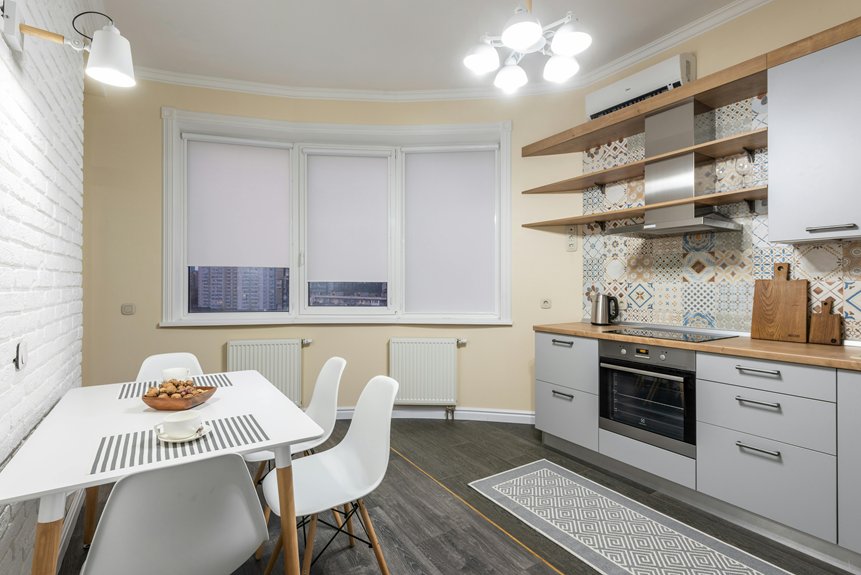
Choosing the right flooring for your Clemmons dining room involves weighing style, durability, comfort, and cost. Tile offers a sleek, modern look with easy maintenance, while wood creates a warm, inviting atmosphere but may require more care. As you consider these factors, you’ll want to think about how each option fits your lifestyle and aesthetic goals. To make an informed decision, it’s important to explore the unique benefits and challenges of both flooring types.
Aesthetic Appeal and Style Options
When choosing flooring for your Clemmons dining room, the aesthetic appeal and style options play an essential role in setting the right mood. With a wide range of color options, you can match or contrast with your existing decor to create a warm, inviting atmosphere or a sleek modern look. Industry trend leadership also influences the availability of innovative finishes and patterns that can elevate your space’s design. Pattern variety also allows you to add personality and visual interest; from classic herringbone and intricate mosaics to bold geometric designs, your choices can reflect your unique taste. Whether you prefer the timeless elegance of wood or the versatile charm of tiles, selecting a floor with appealing colors and patterns helps define your space’s character. Ultimately, your flooring should enhance your dining room’s style, making it a welcoming spot for family and guests alike.
Durability and Maintenance Considerations
Choosing flooring for your Clemmons dining room isn’t just about style; it also involves considering how well it holds up over time. Tile offers excellent water resistance, making it easy to clean spills and prevent damage, which is essential in dining areas.
Wood flooring, while attractive, can be more vulnerable to moisture and may warp or stain if not properly sealed. Both options can accumulate allergens—tile is less likely to trap dust and pollen, simplifying maintenance, while wood may require regular dusting and cleaning.
Maintenance for tile tends to be straightforward, needing only occasional grout cleaning and mopping. Wood floors may need refinishing over time to maintain their appearance.
Ultimately, your choice depends on your lifestyle and willingness to invest in ongoing upkeep.
Comfort and Warmth Underfoot
The comfort and warmth underfoot can considerably influence the overall dining experience. With tile flooring, you might notice a colder feel, especially during cooler months, which can affect guest comfort.
Wood flooring naturally offers more insulation, helping to retain warmth and creating a cozy atmosphere. This area insulation not only keeps the space comfortable but also reduces heating costs over time.
Additionally, if allergy concerns are a priority, tile is less likely to trap dust and allergens compared to wood, making it easier to maintain a clean environment.
Conversely, wood can feel warmer and softer underfoot, enhancing comfort for diners who spend extended periods at the table.
Ultimately, considering both warmth and allergy factors can help you choose a flooring option that elevates your dining space.
Cost and Installation Factors
Cost and installation considerations play a significant role in selecting the right flooring for your Clemmons dining room. When comparing options, pricing comparisons reveal that tile often has higher upfront costs but can be more durable long-term.
While wood flooring may be less expensive initially, it may require more maintenance over time. Installation complexities also differ; tile installation can be labor-intensive and may require professional help, increasing costs and time.
Conversely, wood flooring might be easier to install, especially with floating or click-lock systems, which can save you money and time. Keep in mind that improper installation can lead to problems later, so weigh these factors carefully.
Your choice should balance initial expenses, installation ease, and long-term value, ensuring your dining room remains beautiful and functional.
Suitability for Lifestyle and Usage
Selecting the right flooring for your Clemmons dining room depends heavily on how you use the space and your lifestyle.
If you have pets prone to allergies, tile is a better choice because it’s easy to clean and doesn’t trap pet dander. For high-moisture areas or if spills are frequent, tile’s moisture resistance makes it practical and durable.
Wood flooring offers warmth and aesthetic appeal but can be less suitable if you have pets that scratch or if spills are common, as it’s more susceptible to water damage.
Consider your lifestyle—if you value low maintenance and allergy control, tile might be the better fit. On the other hand, if comfort and a cozy atmosphere matter most, wood could suit your needs better.
Conclusion
Ultimately, choosing between tile and wood for your Clemmons dining room depends on your style and lifestyle. If you want a sleek, easy-to-maintain space that handles high traffic and spills well, tile’s your best bet. But if you prefer a warm, cozy atmosphere and don’t mind extra upkeep, wood can create a charming, inviting feel. Consider your needs and preferences to pick the flooring that suits your home best. To learn more about our amazing flooring options, call us today at (336) 270-9622 or visit us online at Floor Plus More.